Wherever possible we source our wood through the sustainably managed forests and approved FSC suppliers. It’s renewable because the forest stewards manage the landscape to prevent damage to eco-systems, watersheds, wildlife and the trees themselves, taking a long term rather than short term view of the resource.

Sustainability in this context means the forest should still be there for your grandchildren and great grand-kids, able to soak up carbon emissions and keep our air clean for generations to come as well as a haven for wildlife.
Wood from unsustainable sources, on the other hand, is chopped down leaving bare areas that, unless they’re carefully treated, never really recover to their former glory. The effects are clear – illegal logging leads to wholesale destruction.

Why bother buying sustainable wood?
Brazilian Amazon deforestation might not seem very relevant. It happens thousands of miles from home, exotic and remote. You might not realise the harm that buying new mahogany flooring or teak garden furniture does. But buying unsustainable wood has a profound effect on the areas where it’s harvested, including human rights abuses, hunting of endangered species, threatening the lifestyles and even the lives of indigenous tribespeople as well as making countless rare and threatened creatures homeless.
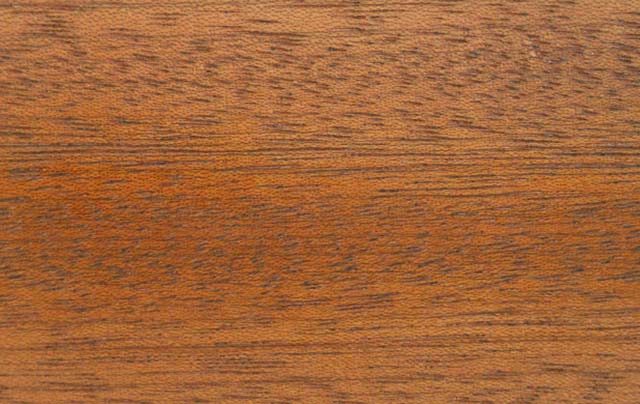
Utille

Our Utile timber is sourced from Africa. The West African Utile timber is a 'sister' species to Sapele but usually has a more interesting grain and gives a better 'finish', albeit. Utile is a high class red hardwood, better than Sapele in terms of stability and appearance at little. Well-defined sapwood is a paler yellow. Widths and lengths may be a little smaller than Sapele.

Click Below to read more
Properties
Properties: Heartwood is a uniform medium reddish brown. Well-defined sapwood is a paler yellow. Generally lacks any dramatic figuring of grain that is common in the closely related Sapele.The Grain is interlocked, with a medium uniform texture. Moderate natural luster.
Durability & Typical Uses
Durability: Moderately durable. Typical Uses: We use Utile for the production of external Joinery items, such as windows, doors, conservatories, etc.

European Oak

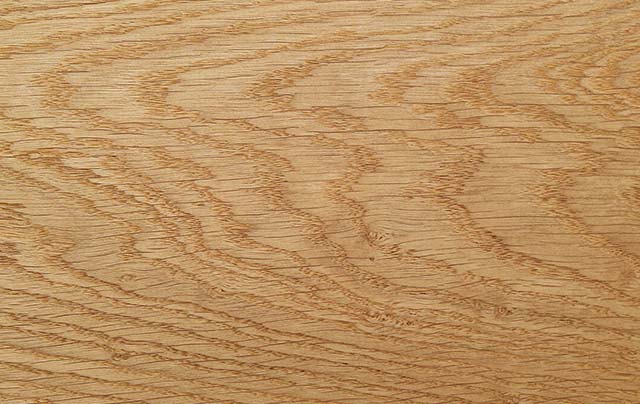
Our European Oak timber is sourced from various regions of Europe, mainly France & Italy. The heartwood varies from light tan to biscuit or deep brown, with distinct bands of earlywood and latewood. The grain is usually straight, but irregular or cross grain can occur. Rays and growth rings show an attractive figuring (“silver grain”) when quarter sawn.

Click Below to read more
Properties
Properties: A fairly hard, heavy and dense hardwood, with high crushing and bending strength, low stiffness and resistance to shock loads. Oak timber machines very well, and is good for sanding, staining and varnishing and will take high polish. European oak can be darkened by fuming with ammonia. Due to tannins present in the timber, oak wood will react with ferrous metals when wet, causing black staining. We advise the use of non-ferrous (brass or stainless steel) fixings and fittings where possible.
Durability & Typical Uses
Durability: Extremely durable. Typical Uses: We use European Oak timber mainly for the production of external Joinery items, such as windows, doors, conservatories, etc.

American White Oak

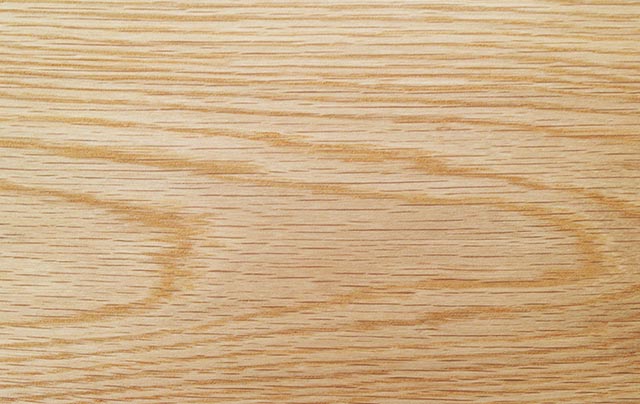
Our American White Oak is sourced from the Appalachian Mountains in North America and machined to specification at our factory. The heartwood can vary in colour from light tan or pale yellow-brown to dark or pale brown and can sometimes have a very slight pinkish tint. The wood usually has a straight, open grain and is medium to coarse in texture.

Click Below to read more

Properties of American White Oak Wood
Properties: A hard and heavy wood with medium crushing and bending strength and low stiffness. The wood has exceptional resistance to wear. The wood machines, sands, stains and polishes well. The tannin content can react with ferrous metals to cause iron staining (Black Patches) if the wood becomes wet. We advise customers to select non ferrous (brass or stainless steel) fixings and fittings where possible.
Durability & Typical Uses
Durability: Durable but not quite as much as European Oak. The heartwood is resistant to decay. Typical Uses: We mainly use American white Oak for internal joinery, in particular Staircases and associated balustrade components.

Want to plan a project with us? Get a Quote
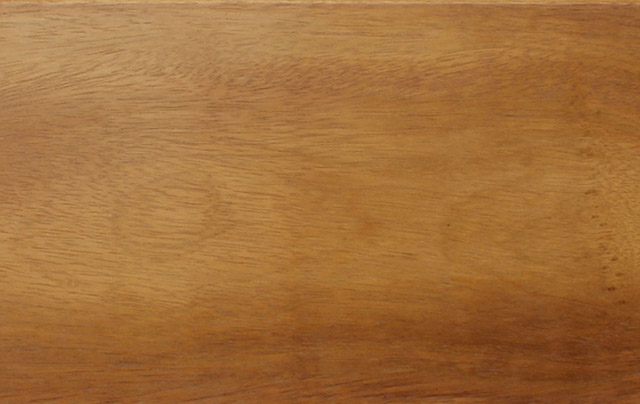
Iroko

Our Iroko is sourced from tropical Africa and machined to specification at our factory.
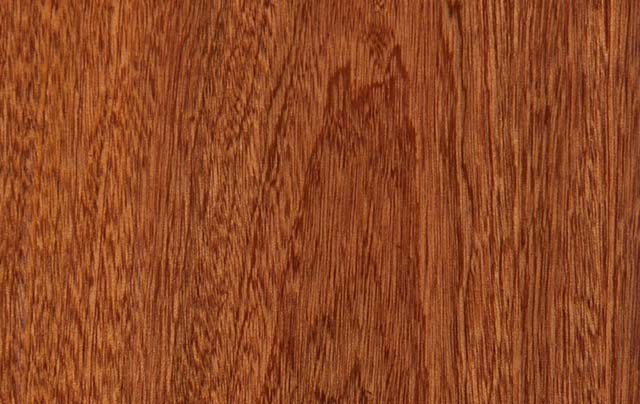
The heartwood is a distinct yellow colour, but on exposure to light it quickly becomes golden-brown. The grain is usually interlocked and the texture is rather coarse but even, large, hard deposits of calcium carbonate called ‘stone’ deposits, are sometimes present in cavities, probably as a result of injury to the tree. They are often enclosed by the wood around them and not visible until the time of sawing, though the wood around them may be darker in colour, thus giving an indication of their presence.

Click below to read more
Properties
Properties: Iroko – is an attractive and very durable timber. It has excellent strength Properties, comparing well with teak, though weaker in bending and in compression along the grain. Iroko machines, sands and stains well. An excellent finish can be obtained if the grain is filled. It takes nails and screws well, and can be glued satisfactorily.
Durabilty & Typical Uses
Durability: Very durable. Typical Uses: We mainly use Iroko for the manufacture of highly durable windows and doors. The timber is of great importance in both East and West Africa. It is valuable for ship and boat-building, light flooring, interior and exterior joinery, window frames, sills, stair treads, fire-proof door.

Ash

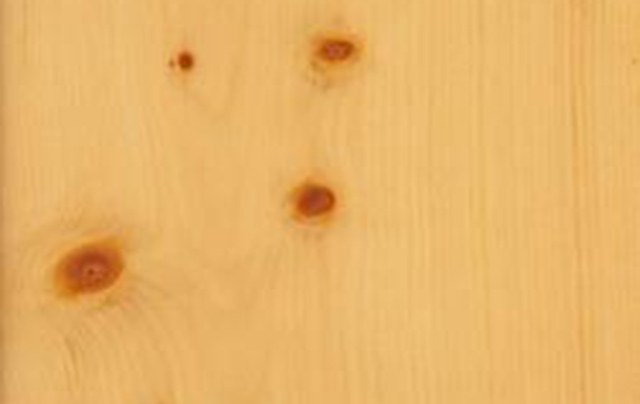
Our Ash is sourced from various European countries. White Ash is the most popular species used commercially.

Click below to read more
Properties
Properties: White Ash tends to have a lighter heartwood color, and wider spaced growth rings. By contrast, the heartwood color of Black Ash tends to be slightly darker, and the growth rings are typically much closer together.
Durabilty & Typical Uses
Durability: Moderately durable. Typical Uses: Shop fitting, furniture , Internal doors and cabinets.

Scandinavian Pine

Our Scandinavian Redwood/Pine (also referred to as ‘redwood’ to differentiate it from ‘whitewood’ such as Spruce) is imported from Sweden, Finland and Russia and machined to size in our Factory. Its colour is a typical yellowy/brown appearance. The grades vary for different uses, ‘Vths’ grade generally being the base grade for windows and door frames etc., ‘Unsorted’ being a superior grade. Knots are common but their size and quality vary according to the part of the tree from which boards are converted.

Click below to read more

Properties
Properties: Medium overall strength with low shock resistance dependent On size And Number Of Knots it Works Well with Machine And Hand Tools and generally planes well however knots can be problematic. It should be noted that the timber is kilned prior to shipping but the moisture content is often about 15%, and therefore higher than most kiln dried hardwood moisture contents. The diameter of such pines normally result in board widths of 100mm – 225mm. It is a resinous timber, Annual growth rings are clearly marked by contrasting light and dark zones. Can be stained, painted or polished to an attractive finish
Durabilty & Typical Uses
Durability: Non Durable (However Durable if Pressure Treated) Typical Uses: Scandinavian Vths Redwood is our default ‘Standard’ softwood which we use to manufacture internal and external joinery products such as staircases, windows, doors and conservatories. It is widely used in the production of stair-parts such as newel posts, handrails and spindles etc.